
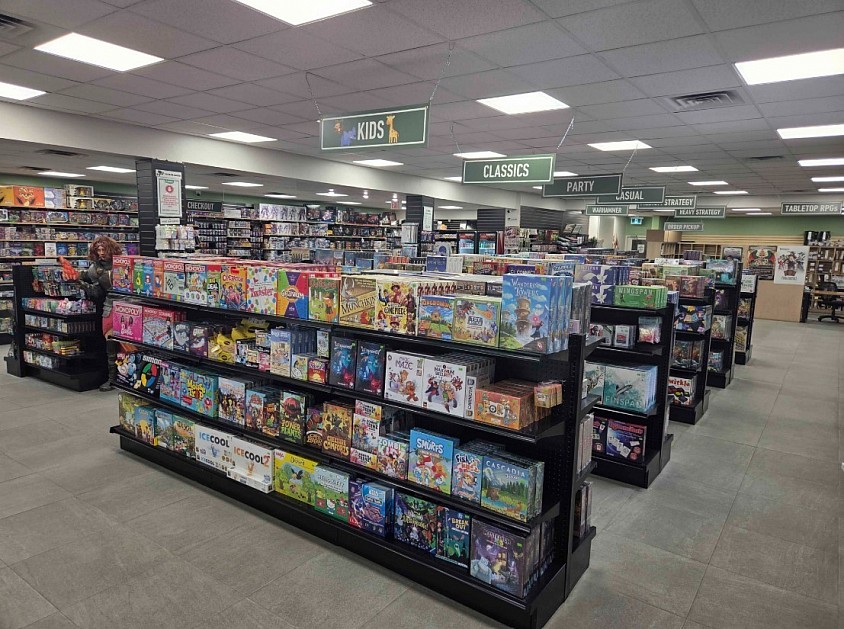
The Resurgence of Analog Play: Trends Shaping the Tabletop and Puzzle Industry
The hobby market is experiencing a sustained wave of enthusiasm as enthusiasts gravitate toward tactile entertainment, community-building experiences, and thoughtful design. From quick-play fillers to intricate strategy titles and brain-twisting jigsaws, the ecosystem surrounding tabletop games and puzzles continues to evolve with fresh creators, smarter logistics, and more inclusive play cultures. This evolution is not a fad; it reflects a broader desire for meaningful connection and hands-on creativity.
Why Analog Entertainment Continues to Thrive
The appeal of tabletop games lies in their ability to bring people together. Around a shared table, participants collaborate, compete, and converse in ways that foster friendships and strengthen communities. Puzzles offer a complementary rhythm—quiet focus, shared accomplishment, and a calming sense of progress. Together, they define a vibrant sector that blends artistry, storytelling, and tactile craft.
Design Innovation and Accessibility
Modern titles embrace streamlined rules, modular components, and intuitive iconography that welcome newcomers without sacrificing depth for seasoned hobbyists. Cooperative formats, solo modes, and variable difficulty settings broaden the audience further. Puzzles, meanwhile, showcase inventive cuts, textured finishes, and thematic collections that reward both novices and collectors. The result is a more accessible gateway into the hobby, where discovery feels inviting rather than intimidating.
Community-Centered Experiences
The heart of the industry beats strongest at the table. Organized play nights, learn-to-play demos, and puzzle socials create inclusive spaces for all ages. Clubs and local groups curate sessions for specific interests—light party titles, strategic euro-style challenges, deduction mysteries, or large-format jigsaws. These gatherings do more than teach rules; they nurture etiquette, sportsmanship, and cooperative problem-solving that keep newcomers coming back.
Curating a Thoughtful Collection
A balanced library encourages exploration and repeat play. Retailers and event hosts often recommend blending approachable gateway titles with deeper strategy selections and thematic or narrative-driven adventures. Puzzle assortments benefit from a spectrum of piece counts, artwork styles, and finishes to suit different skill levels and moods. Thoughtful curation helps players find the right fit for a family game night, a competitive league, or a relaxing solo session.
Sustainability and Quality Craft
Consumers pay close attention to component durability and environmental responsibility. Publishers increasingly invest in sturdy boards, linen finishes, and responsibly sourced materials. Minimalist packaging, recycled inserts, and reusable storage solutions reduce waste while improving longevity. Quality becomes part of the user experience, reinforcing value and encouraging long-term engagement with a collection.
Practical Tips for Enthusiasts and Organizers
A thriving tabletop games and puzzle community grows when planning is intentional. Consider the following best practices:
1) Match complexity to the audience: Choose rules-light titles for mixed groups and scale up as familiarity grows.
2) Prioritize teachability: Prepare a concise rules overview and a sample turn to lower the barrier to entry.
3) Curate session length: Offer quick fillers for warm-ups and longer, strategic options for dedicated tables.
4) Promote inclusivity: Use open seating charts, clear sign-ups, and content notes so everyone feels welcome.
5) Standardize components: Sleeves, trays, and labeled bags speed setup, protect pieces, and keep sessions flowing.
6) Rotate themes: Alternate between puzzles and different game genres to maintain excitement and broaden tastes.
7) Maintain collections: Inspect for missing pieces, replace worn components, and archive clear rules references.
As more creators experiment with mechanics, artwork, and production methods, the hobby’s possibilities expand. Puzzles continue to diversify with innovative cuts and collaborative formats, while tabletop games explore storytelling that unfolds over multiple sessions. The common thread is intentional design that respects the player’s time and fosters connection. With strong communities, curated selections, and a focus on sustainability, the industry remains poised for steady, imaginative growth—one shared table and one satisfying click of a puzzle piece at a time.
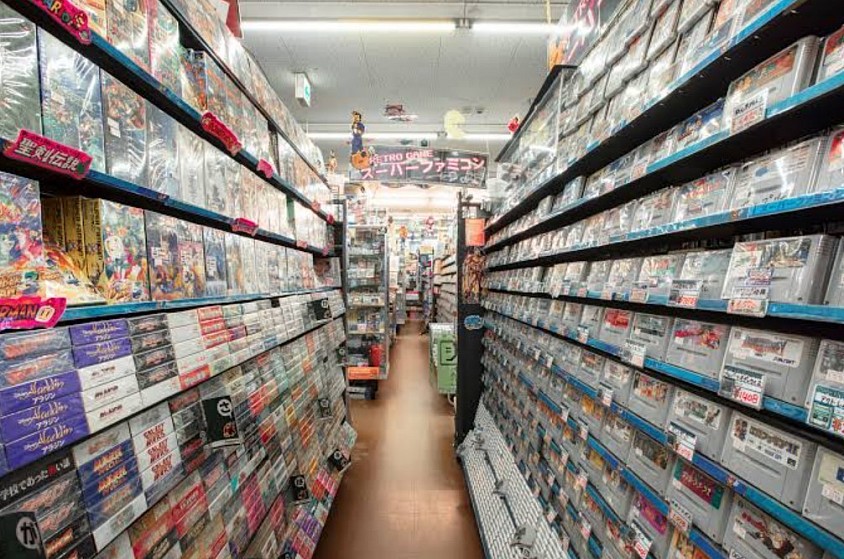
The Evolving Landscape of Board Games and Puzzles: Retail Trends That Matter
The Modern Board Game and Puzzle Industry
The board game and puzzle industry is enjoying a renaissance driven by community connection, thoughtful curation, and the tactile satisfaction of analog play. As shoppers seek meaningful downtime and shared experiences, retailers are reimagining how to present products, foster welcoming spaces, and support long-term enthusiasm. From curated selections and inclusive events to sustainability and omnichannel conveniences, the sector is refining what it means to serve hobbyists, families, and newcomers alike.
Community-Centered Retail
Retailers increasingly emphasize community as a core value. Welcoming, well-lit spaces; clear signage; and inclusive policies help transform a quick visit into a memorable experience. Regular gatherings—like learn-to-play nights, puzzle socials, and family-friendly demo hours—lower the barrier to entry and encourage discovery. This approach turns the store into a hub for conversation, collaboration, and creativity, where people return not just for products but for a sense of belonging.
Curation Over Quantity
Endless shelves can overwhelm customers. Successful shops focus on curation: rotating feature tables, staff picks, and theme-based displays that highlight a mix of classics and fresh releases. Clear, concise shelf talkers that describe complexity, playtime, and recommended ages help shoppers make confident decisions. By grouping products around themes—cooperative strategy, party-friendly laughter, solo brainteasers—retailers make it easier for customers to match interests with the perfect choice. Curation respects a shopper’s time while amplifying discovery.
The Rise of Puzzles in Wellness
Puzzles have become a staple in wellness routines, drawing attention for their calming focus and screen-free engagement. Retailers can support this trend by offering a range of piece counts, textures, and finishes, plus accessories like sorting trays and storage mats. Pairing puzzles with journaling supplies or cozy home goods can inspire thoughtful gift bundles. Clear labeling on difficulty and piece quality—such as glare-reducing finishes or snug-fit cuts—further builds trust and repeat visits.
What Shoppers Look For Today
1. Clarity: Shoppers appreciate straightforward descriptions of complexity, playtime, player counts, and recommended ages to ensure a good match for the group at the table.
2. Accessibility: Inclusive options—such as colorblind-friendly designs, adjustable difficulty modes, and readable fonts—make the hobby more welcoming.
3. Quality Components: Durable cards, well-cut puzzle pieces, and sturdy boxes signal value and extend the life of a collection.
4. Replayability: Modular boards, variable setups, and expansions keep experiences fresh without requiring constant new purchases.
5. Honest Recommendations: Staff who ask good questions and offer candid guidance help customers feel confident, especially newcomers testing the waters.
6. Giftability: Ready-to-wrap suggestions, themed bundles, and seasonal picks support thoughtful, low-stress gifting.
7. Aftercare: Replacement part support, storage solutions, and protective sleeves safeguard investments and build loyalty.
Sustainability and Responsible Sourcing
Shoppers are increasingly attentive to materials and manufacturing. Thoughtful retailers highlight products that use recycled content, plant-based inks, or responsibly sourced paper. Compact packaging reduces waste and shipping impact, while repair-friendly components extend product life. Transparent communication—such as pointing out eco-conscious publishers or explaining why a particular brand stands out—helps customers align purchases with their values.
Omnichannel With a Local Touch
Convenience matters, but the heart of this industry remains tactile discovery and face-to-face guidance. A balanced approach blends online browsing with in-store pickup, real-time inventory visibility, and responsive customer service. Quick, accurate product pages with clear photos and concise descriptions mirror the clarity of in-store signage. Meanwhile, localized content—staff recommendations, community calendars, and how-to guides—reinforces the unique character of a neighborhood shop even when customers start their journey online.
The future of board games and puzzles is bright where authenticity, accessibility, and community intersect. By centering hospitality, curating with intention, and investing in sustainable practices, retailers can meet evolving expectations without losing the charm that makes analog play special. As households and friend groups seek meaningful, screen-free ways to connect, this industry is poised to remain a reliable source of joy, challenge, and togetherness.